

Over the past year, I’ve watched a new force emerge in Canada’s conversations about economic growth, innovation, and national strategy — Build Canada.
It is not a political party, not a think tank, and not a traditional nonprofit.
It is closer to a civic movement initiated by builders, centered on technology, execution, and action.
What Is Build Canada?
Build Canada positions itself as:
“A non-partisan civic movement that connects, equips, and amplifies high-agency builders who want to make Canada more prosperous.”
Its core principles are:
Canada’s systems are not broken — they simply lack people pushing them forward.
Civic participation should mean more than voting; it should include building, creating, opening data, and offering solutions.
Public policy and public discourse need more entrepreneurial perspective + technical capability + data transparency.
If traditional politics runs on debate, elections, and media, Build Canada runs on
builders, data tools, and open collaboration.
What Build Canada Is Doing
Build Canada’s core contributions can be grouped into three categories:
1) Improving Public Information Flow Through Technology
Over the past year, they have built multiple civic-tech tools, including:
Trade Barriers Tracker – tracks interprovincial trade barriers
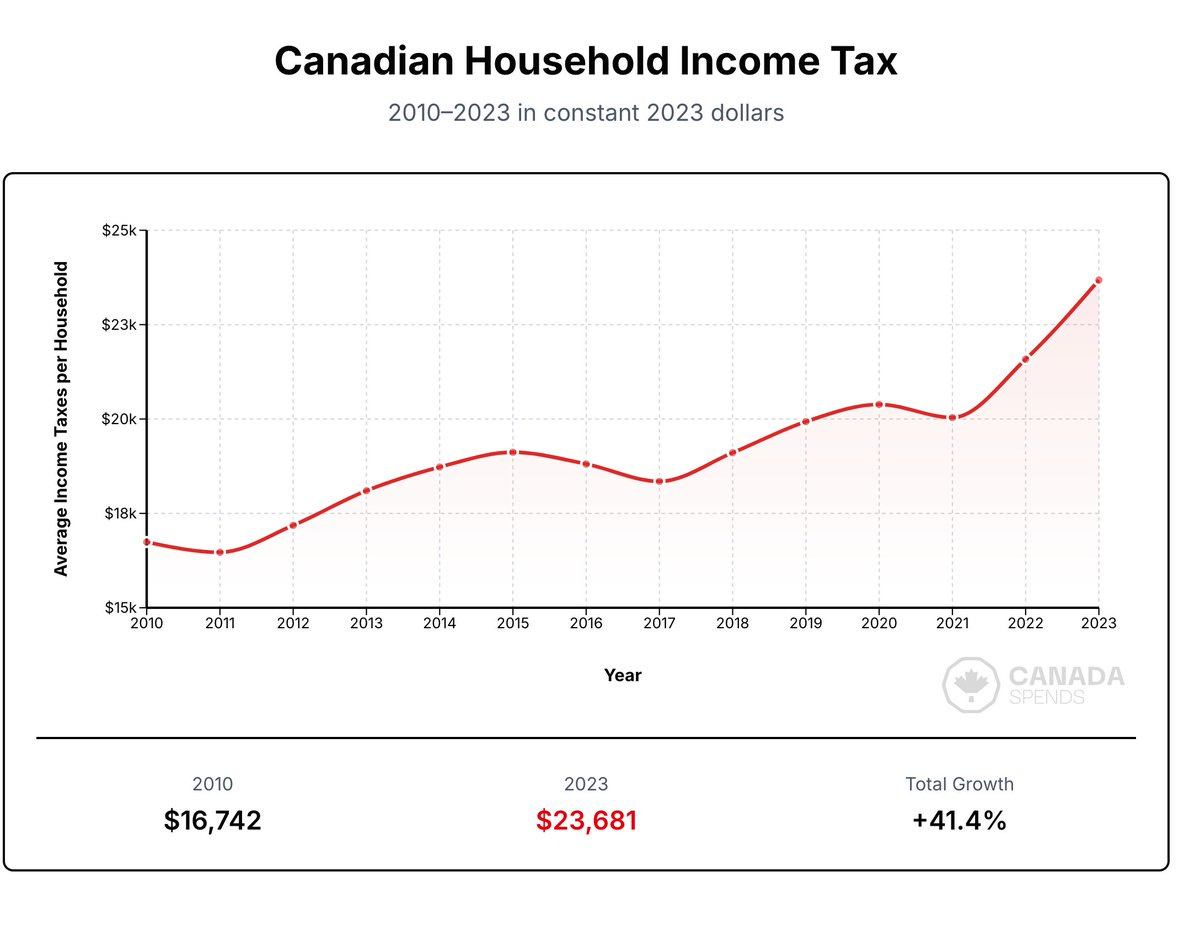
Canada Spends – visualizes federal spending
Election Promise Tracker – monitors campaign commitments
Government Progress Monitor – measures federal progress in real time
These tools share several characteristics:
Data is open and transparent
Designed for the general public
Simple, intuitive visualizations
Updated quickly, without being slowed by government processes
→ In essence, they address the problem:
“Government data may be public, but ordinary citizens can’t actually use it.”
2) Mobilizing High-Agency Builders
Build Canada’s most important resource isn’t data — it’s people:
Entrepreneurs
Startup founders
ESG analysts
Doctors
Teachers
Journalists
Lab & University research groups
Community organizers
Cultural leaders
… These individuals may not care deeply about politics, but they care deeply about one question:
“Can Canada do better?”
Build Canada brings these people together and organizes them to participate in national-level issues — a form of civic organization that hasn’t existed in Canada for decades.
3) Shaping the Public Narrative Through Data and Real-World Experience
Build Canada is introducing a different way of talking about national issues:
Policy is not something only politicians can discuss
The experience of entrepreneurs belongs in public debate
National growth is everyone’s responsibility
Data should be understandable to all citizens
Public decisions need a more accurate factual foundation
They have even invited entrepreneurs to write policy memos and publicly released them during the federal election.
This is innovative, somewhat risky, and extremely important — because it is changing how public policy is produced in Canada.
The Real Issue Behind Build Canada: The “Execution Gap” in National Governance
Canada’s core challenges are not:
a lack of money,
a lack of policy,
or a lack of resources.
The real problem is:
slow execution, fragmented policies, unclear accountability, and insufficient long-term planning.
Build Canada is essentially trying to address the tension between:
the execution gap within government
vs
the action capacity within the builder community
Their goal is to structure, formalize, and digitize this civic action capacity —
and make it part of public governance.
Behind this effort are three underlying assumptions:
1. Canada’s institutions allow — and even welcome — bottom-up reform
This is an advantage.
2. Government alone cannot handle the full complexity of modern problems
This is reality.
3. Entrepreneurs and technologists are becoming new protagonists in public problem-solving
This is the trend.
The Potential Impact of Build Canada
1) On Public Policy: Making Solutions More Important Than Criticism
In the past 20 years, Canada’s public conversations have been filled with criticism but very few solutions. Build Canada shifts this dynamic by bringing a “builder’s perspective” into the policy arena.
Instead of abstract debates, discussions on housing begin with supply, construction efficiency, and permitting systems. Conversations about economic growth center on entrepreneurial ecosystems, capital flows, and talent mobility. Innovation policy is examined through regulatory frameworks, experimentation space, and technology adoption.
The result is a policy environment that becomes more action-oriented, data-driven, technically grounded, and solution-focused — a meaningful departure from the status quo.
2) On the Political Landscape: Strengthening Non-Partisan Civic Power
For the first time, Canada is seeing a civic movement that:
can mobilize people nationwide,
has the resources to build public tools,
can shape public opinion,
and is supported by a vibrant community of builders.
It is not a political party, but political parties will inevitably seek alignment with it. Its influence is likely to rise quickly in the coming years.
3) On Young People: Offering a New Way to Participate in Public Life
Traditionally, young Canadians participated in nation-building by joining the public sector, volunteering, donating, or voting.
Build Canada introduces a different way to contribute:
building data tools,
writing policy memos,
creating open databases,
developing civic AI,
modeling policy impacts,
analyzing federal budgets,
and participating in a national builder network.
For many Canadians in their 20s and 30s — especially those in tech or engineering — this form of participation feels far more natural and meaningful.

Conclusion: Why Build Canada Deserves Our Attention
I believe Build Canada matters for several reasons:
1) It connects technology with public governance — a necessity of the 21st century.
The challenges of today require tools, data, and technical problem-solving. Build Canada bridges a gap that has long existed between civic issues and modern capabilities.
2) It restores data as a civic right.
Information becomes transparent, readable, searchable, and visualized — not buried in PDFs or scattered across government sites.
3) It brings the builder’s action-oriented mindset into national issues.
This is something Canada has not seen before: a movement that treats policy problems as solvable design challenges, not abstract debates.
4) It offers Canada a new national narrative.
“Canada can be better” is no longer just a slogan — it becomes an executable project.
For our generation of builders, Build Canada is not just an organization. It represents a new way of doing things — a new civic operating system.
This is an independent, non-political reflection from a builder’s perspective. The views expressed are solely my own and not those of any organization.